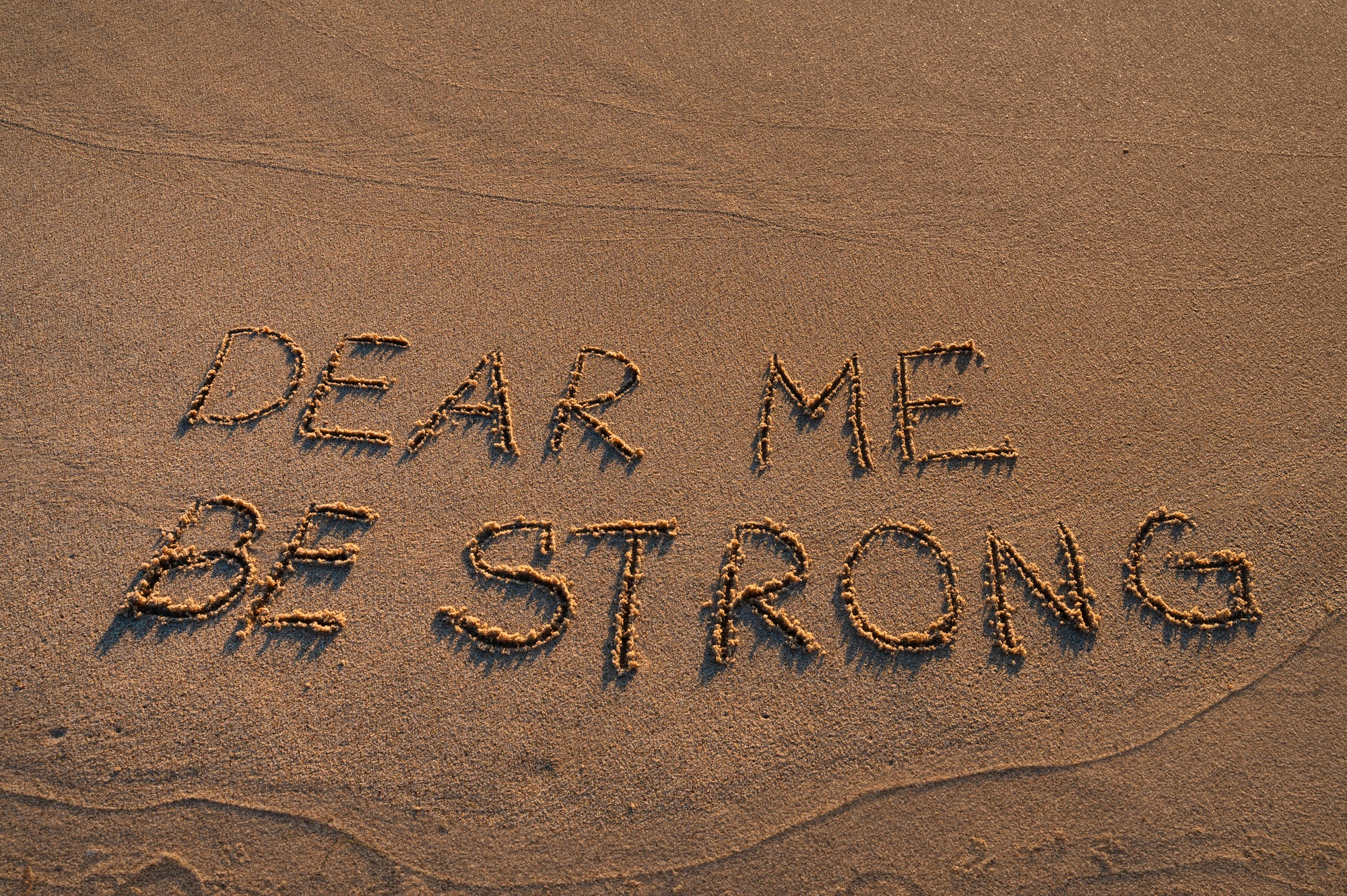
Image: Freepik by Brady Baker
Opening Thoughts
Life rarely sticks to the script. From sudden global events to personal upheavals, the only certainty is change — and the challenge is how we adapt. Resilience isn't just a trait anymore; it's a skillset. Future-proofing your mind means learning to stay flexible, open, and grounded when uncertainty strikes hardest.
In Short: The Core Truths
- Change is the rule, not the exception. The sooner we stop resisting it, the easier life feels.
- Curiosity is stronger than control. When you replace fear with interest, uncertainty becomes a teacher.
- Lifelong learning is mental fitness. Minds that stay in motion — reading, questioning, experimenting — rarely stagnate.
- Balance optimism with realism. Hope fuels movement; realism keeps it sustainable.
Cultivating Openness to Change
Humans crave stability, but in a fast-changing world, rigidity becomes fragility. To stay resilient:
- Practice adaptive thinking. When plans shift, ask, "What else could work?"
- Redefine success. Focus on progress, not perfection. This will help you build a growth mindset.
- Build "optionality." Keep multiple pathways open in your work, relationships, and goals.
The most adaptable people aren't fearless — they just see change as raw material for growth, not chaos to be avoided.
Integrating holistic psychotherapy can profoundly strengthen emotional resilience and inner balance during unpredictable times. By addressing the mind, body, and spirit together, this approach helps individuals regulate stress, release emotional blocks, and reconnect with their authentic sense of calm and clarity.
Work with Gina →Managing Uncertainty with Curiosity Instead of Fear
Fear shrinks possibilities. Curiosity expands them. When faced with unknowns, try:
- Naming your emotions for awareness ("I'm anxious about not knowing what comes next")
- Asking a question instead of making an assumption
- Replacing "What if this goes wrong?" with "What could I learn from this?"
When we treat uncertainty as exploration rather than threat, we reclaim agency — even when we can't predict the outcome.
Mini-Checklist: Building Emotional Resilience
| Area | Practice | Benefit |
|---|---|---|
| Mindset | Pause before reacting | Prevents impulsive stress spirals |
| Body | Breathe deeply, stretch, rest | Keeps the nervous system balanced |
| Learning | Read one unfamiliar topic weekly | Expands perspective, reduces rigidity |
| Social | Share challenges with a friend | Builds trust and perspective |
| Focus | Limit doomscrolling | Protects cognitive bandwidth |
Small, consistent actions build resilience more effectively than massive life overhauls.
The Lifelong Learner's Advantage
People who continuously learn don't just stay relevant — they stay resilient. Continuous education rewires the brain to handle ambiguity. Whether you're learning a new language, taking an online course, or simply exploring a new hobby, you're strengthening the neural pathways that allow for adaptability.
"The illiterate of the 21st century will not be those who cannot read and write, but those who cannot learn, unlearn, and relearn." — Alvin Toffler
How-To: Cultivate Emotional Agility
- Label, don't suppress. Acknowledge what you feel — it lowers emotional intensity.
- Detach from permanence. Emotions pass; avoid building identities around them.
- Pivot consciously. Ask: "What does this emotion want me to notice or do?"
- Integrate, don't isolate. Combine logic and feeling before responding.
Resilient people aren't calm because life is easy — they're calm because they've practiced emotional range.
Balancing Optimism with Realism
Optimism isn't about denying hardship; it's about believing in recovery. Ground it in realism: acknowledge what's hard, expect setbacks but prepare rather than despair, and focus on controllables — your effort, your response, your meaning-making.
"Optimism is not a mood — it's a form of mental accounting." — Martin Seligman
Quick Tips for Daily Mental Flexibility
- Start your day with a reflective question: "What might surprise me today?"
- Read perspectives you disagree with (without reacting).
- Keep a "resilience log" — one small win or adaptation each day.
- Spend time in nature; unpredictability there trains calm acceptance.
Closing Reflection
Future-proofing your mind doesn't mean predicting every crisis — it means becoming someone who thrives through them. When you cultivate curiosity, connection, and courage, the world's unpredictability turns from threat into training ground. The future belongs to the flexible.